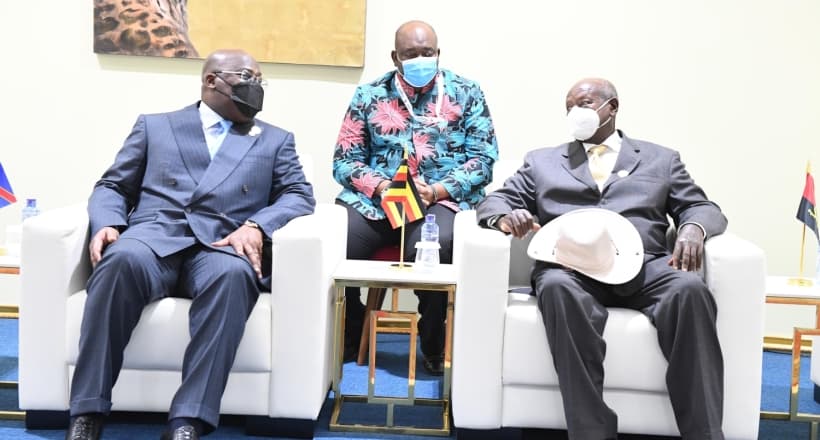
In a statement issued on Friday, February 21, President Yoweri Museveni refuted claims that the Uganda People's Defence Force (UPDF) is engaged in combat against the M23 rebels in eastern Democratic Republic of Congo (DRC). This clarification comes amid reports suggesting Ugandan military involvement in the ongoing conflict.
"There was an item that said that Uganda had deployed troops in Eastern Congo to help the Congo government fight the M-23 rebels. This is not true," President Museveni said, referring to a broadcast by Al-Jazeera.
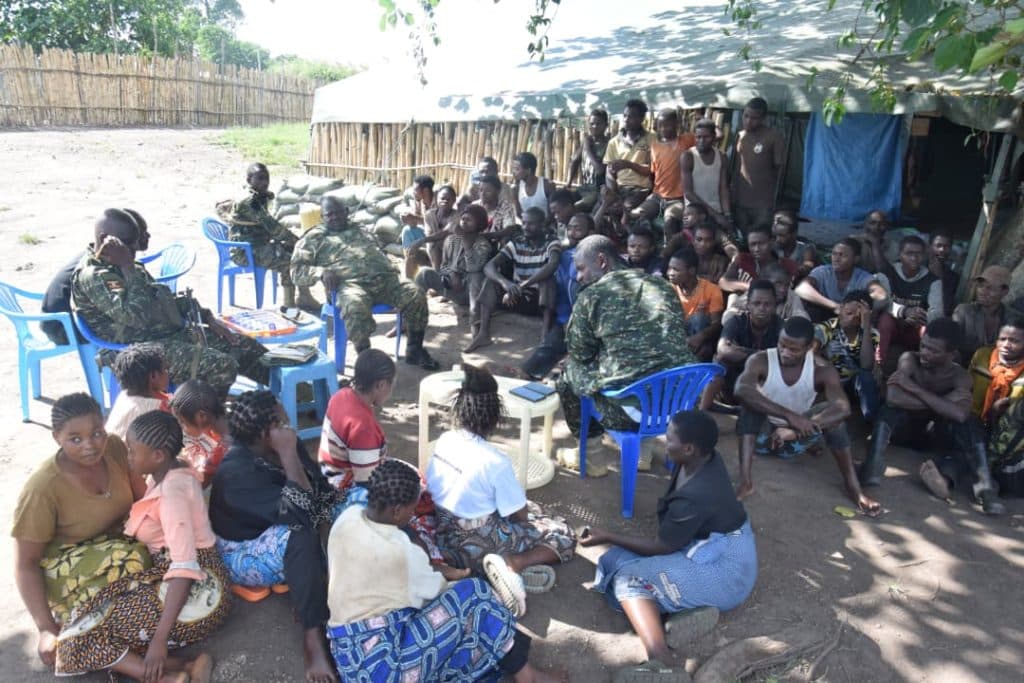
He elaborated that approximately four years ago, under the leadership of President Félix Tshisekedi, the DRC government permitted Ugandan forces to assist in combating the Allied Democratic Forces (ADF), a group responsible for attacks on both Congolese and Ugandan civilians. This collaboration aimed to dismantle ADF strongholds that had persisted since 2002.
"We were very happy for H.E Tshisekedi to do this and it has helped the Congolese citizens in the area; they have gone back to their villages and the Ugandans are no longer being killed," Museveni noted.
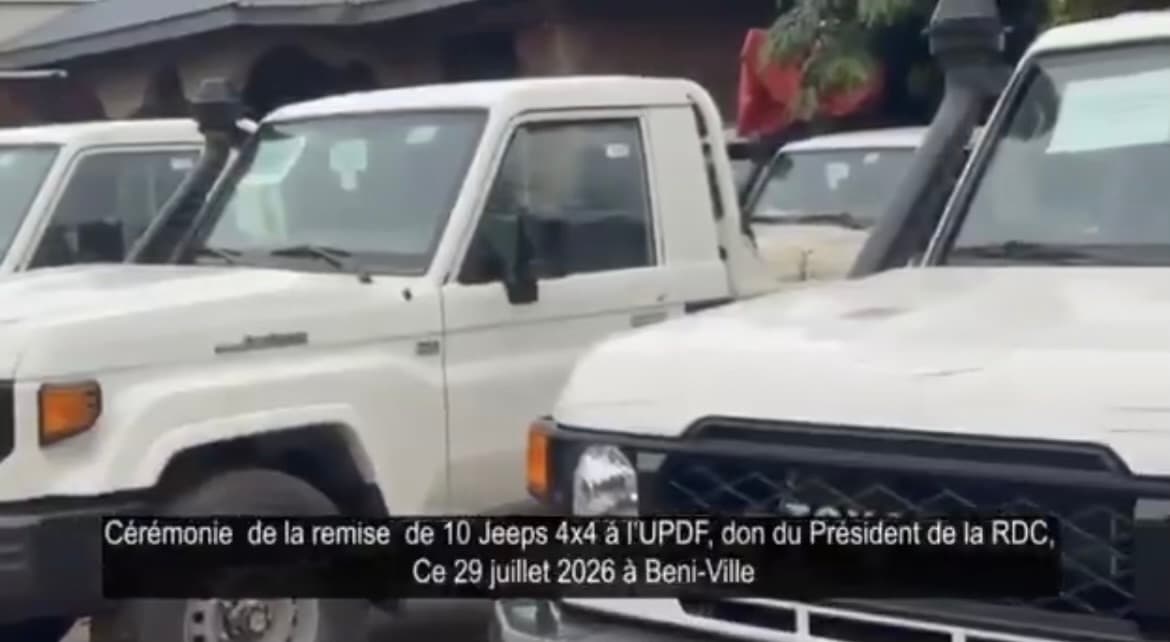
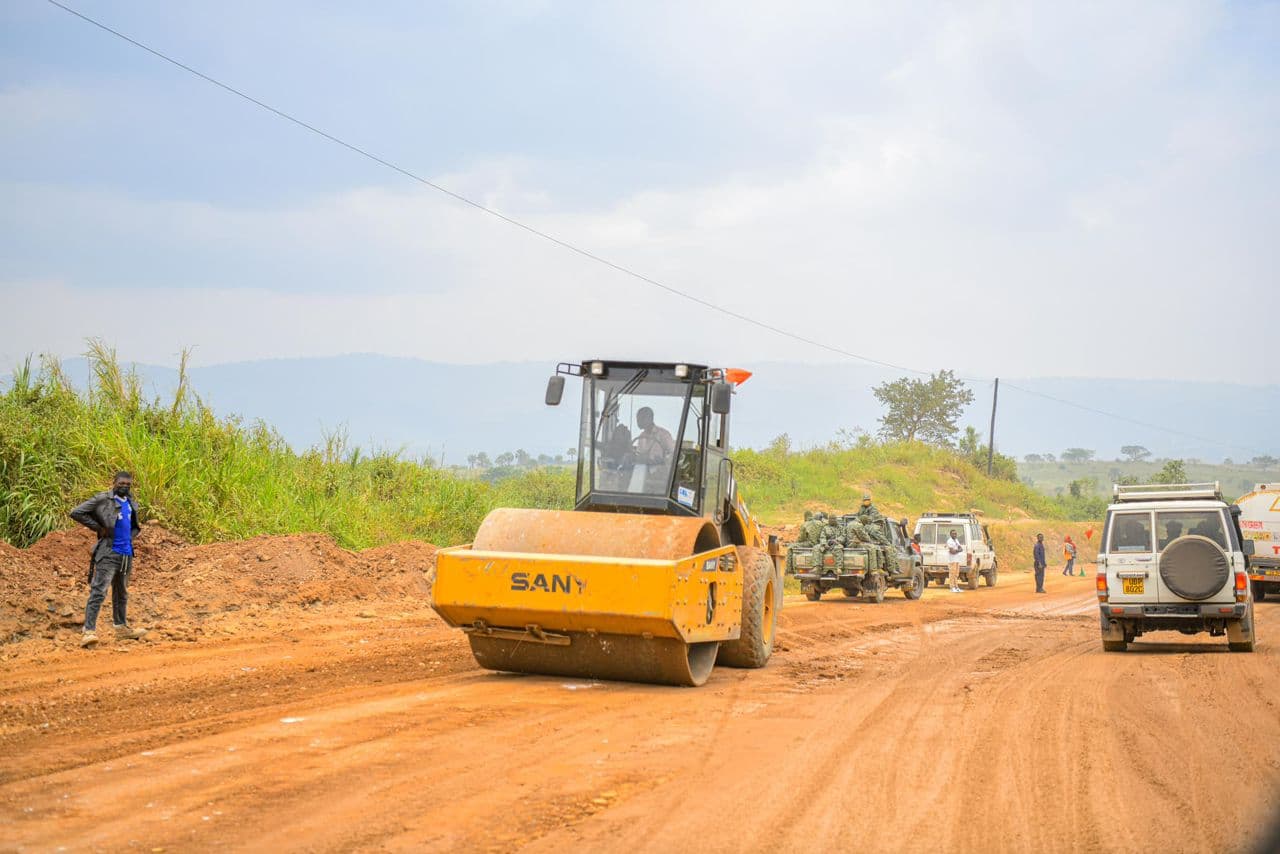
The President emphasized that the UPDF's presence in the DRC is focused on two primary objectives: combating the ADF in partnership with the Congolese army and safeguarding the construction of the Kasindi-Beni-Butembo Road, a project jointly funded by both nations.
Recent developments have seen the expulsion of the East African Community Regional Force (EACRF) by the DRC government, citing dissatisfaction with the force's neutrality regarding the M23 conflict. Despite this, the UPDF has maintained its operations, concentrating on its original missions.
"With the mandate of the East African Force cancelled by the Congo government, the UPDF remained with the two tasks: to fight the ADF alongside the Congo Army and to protect the construction of the Kasindi-Beni-Butembo Road," Museveni clarified.
Addressing the M23 insurgency, President Museveni reiterated Uganda's stance favoring negotiations over military intervention. He highlighted that the history of the M23 conflict is well-documented and that regional bodies such as the East African Community (EAC) and the Southern African Development Community (SADC) have provided guidance on resolving the issue through dialogue.
"Our presence in Congo, therefore, has nothing to do with fighting the M-23 rebels. Right from the beginning, our advice to the involved parties in the Congo government-M-23 conflict was negotiations," he asserted.
This statement comes in the wake of intensified clashes in eastern DRC, with M23 rebels recently capturing significant territories, including the cities of Goma and Bukavu. These developments have escalated regional tensions and prompted calls for diplomatic solutions to restore stability in the area.
The UPDF's recent deployment in Bunia, the capital of Ituri province, aims to prevent violence by local militias and is not directed at engaging M23 forces. This move aligns with Uganda's commitment to regional security and its ongoing efforts to combat insurgent groups threatening the peace and safety of civilians in both Uganda and the DRC.