
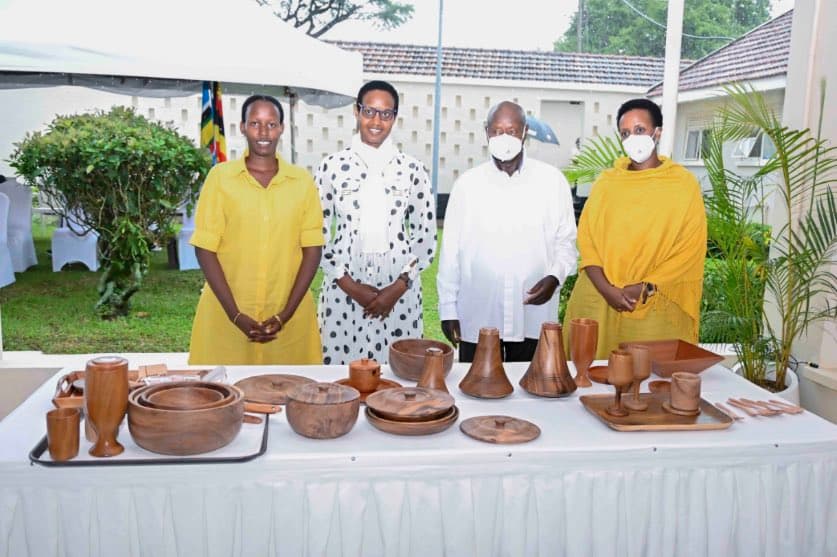
President Yoweri Kaguta Museveni has approved the use of wooden crockery in Uganda after a scientific study confirmed that locally made utensils pose no health risk.
The directive follows a report from the Chemical, Biological, Radiological and Nuclear (CBRN) department, which tested commonly used wood types and found no evidence of toxic substances leaching into food.
The study assessed handcrafted utensils made from mahogany and albizia under varying conditions, including exposure to hot and cold liquids, as well as acidic and alkaline substances.
Findings showed no presence of harmful compounds or heavy metals in the samples.
Researchers noted that albizia wood released some colour into liquids. However, tests confirmed the substance was not harmful. Mahogany showed no colour transfer, making it suitable for serving liquid foods.
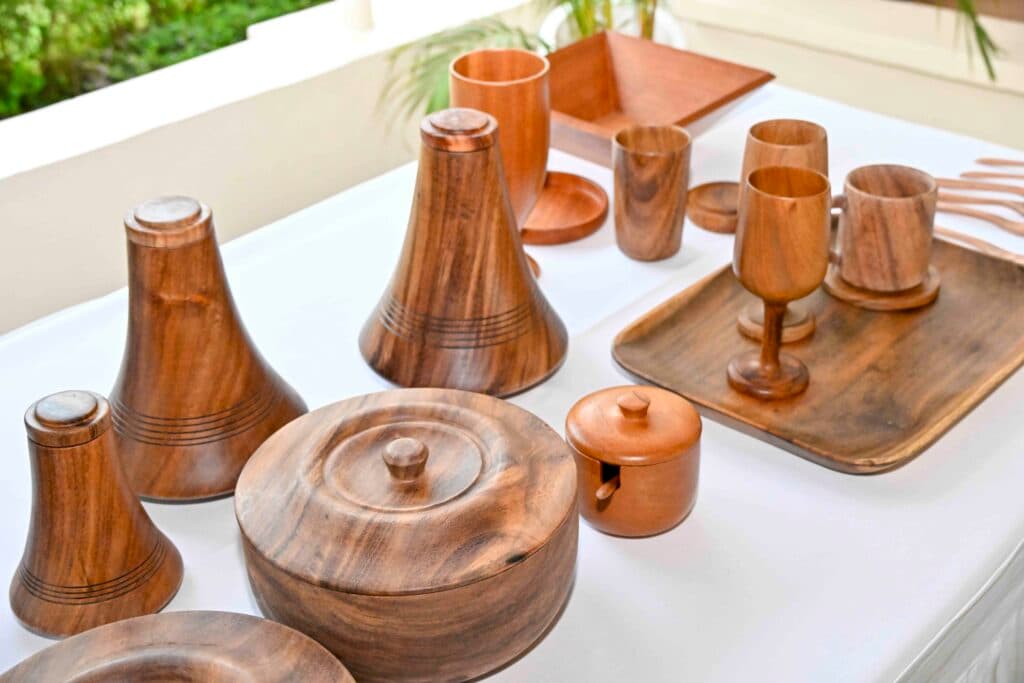
Museveni directed the State House Comptroller to support the production of wooden crockery, describing it as a safe and durable alternative to other materials.
The report also provides guidelines on proper use and maintenance. It recommends thorough cleaning, drying, and regular oiling with food-grade oils to preserve safety and durability.
Copies of the findings have been shared with the Uganda National Bureau of Standards and the Ministry of Health Uganda to guide regulation and public use.
The move is expected to boost local manufacturing while promoting traditional foodware as a safe option for households and businesses.